Silver just delivered a shock most retail investors weren’t positioned for.
On December 29, silver futures on India’s Multi Commodity Exchange (MCX) surged 6% in a single session, touching an all-time high of ₹2,54,174 per kilogram. At the same time, global silver futures on COMEX crossed the psychologically critical $80 per ounce, hitting record levels near $82.67.
Gold? It barely moved — hovering near highs around ₹1,40,230 per 10 grams.
This divergence is exactly where a quiet, counterintuitive strategy emerges.
🚨 The Surprising Money Stat No One Is Talking About
While headlines obsess over gold’s all-time highs, silver has outperformed gold sharply in percentage terms:
- Silver (MCX): +6% in one session
- Gold (MCX): +0.26% the same day
- Silver (COMEX): +7.09% to $82.67/oz
Historically, such moves don’t happen in isolation. They often mark a structural shift, not a speculative spike.
❌ Why the “Gold-Only” Safe-Haven Theory Is Outdated
Conventional wisdom says:
“When rates fall, buy gold. Silver follows later.”
But the current rally flips that logic.
Silver today is being driven by two forces gold doesn’t have:
- Monetary demand (inflation hedge, rate-cut expectations)
- Industrial demand (solar panels, EVs, electronics, batteries)
With expectations of lower interest rates by the Federal Reserve in 2026, silver is benefiting twice — as money and as metal.
Gold only gets one of those tailwinds.
🧠 The Under-the-Radar Strategy Wealthy Investors Use
High-net-worth investors rarely “chase price.” Instead, they position around ratios and cycles.
📊 Strategy: The Gold–Silver Ratio Compression Trade
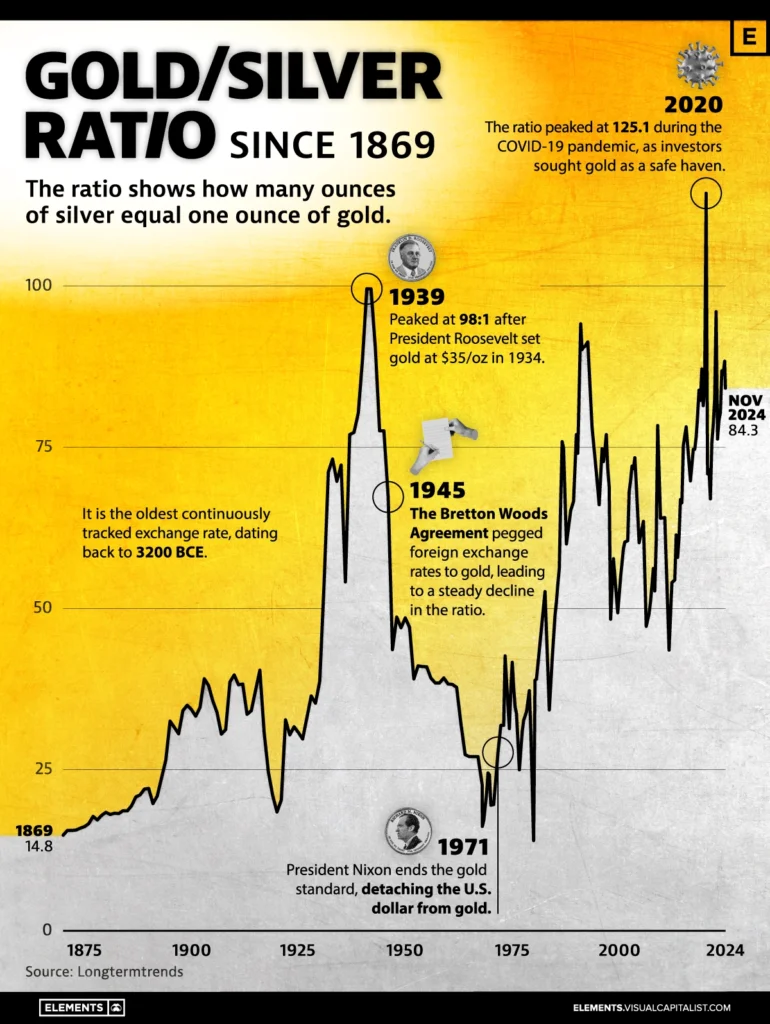
- Historically, 1 ounce of gold = 60–70 ounces of silver
- During stress periods, the ratio expands
- During industrial upcycles, it compresses sharply
With silver now breaking above $80/oz while gold consolidates near $4,536/oz, the ratio is compressing, not expanding — a classic early-cycle signal.
Translation:
Smart money shifts incrementally from gold exposure to silver when silver starts leading.
💰 Real Numbers: What This Looks Like in Practice
Let’s compare two MCX traders over the past week:
Trader A (Gold-heavy)
- Holding 1 kg equivalent gold exposure
- Gain: ~₹357 per 10g → ~₹35,700 per kg equivalent
Trader B (Silver-biased)
- Holding 1 kg silver futures
- Gain: ₹14,387 in one session
Same market. Radically different outcomes.
⚠️ Risk Check: What Can Go Wrong?
Silver is not a low-volatility asset. Risks include:
- Sharp profit-booking after parabolic moves
- Higher margin requirements on MCX
- Stronger dollar reversing commodity momentum
Smarter Alternatives (Lower Risk)
- Partial allocation instead of all-in bets
- Staggered entries rather than lump-sum buying
- Pair trades (long silver, hedge with gold)
Silver rewards timing and discipline, not blind conviction.
🔍 The Bigger Picture
Gold near highs tells you money is cautious.
Silver at record levels tells you money is positioning for growth + easing rates.
That combination doesn’t show up often — and when it does, silver usually speaks first.
📌 The real edge isn’t predicting the top — it’s recognizing when leadership changes.
Investment Disclaimer (as per SEBI guidelines)
The information provided in this article is for educational and informational purposes only and should not be construed as investment advice, trading recommendation, or solicitation to buy or sell any securities, commodities, derivatives, or financial instruments.
Investments in the stock market and commodity markets (including gold and silver futures) are subject to market risks, including price volatility, liquidity risk, and regulatory risk. Past performance is not indicative of future results.
Readers are advised to conduct their own research and/or consult a SEBI-registered investment adviser, research analyst, or financial professional before making any investment or trading decisions. The author and publisher are not registered as SEBI investment advisers or research analysts, unless explicitly stated otherwise, and shall not be responsible for any financial losses incurred based on the information presented.
Commodity derivatives trading involves high leverage and risk of substantial loss and may not be suitable for all investors. Please carefully consider your financial situation, risk appetite, and investment objectives before participating.
SEBI Registration, if applicable, should be verified on the official SEBI website.