After silver crashed 6% in one day, wealth managers reveal the counter-intuitive move that builds fortune
The Number Everyone Missed
While retail investors panic-sold precious metals on December 31st, 2025—watching silver plummet from highs—institutional money quietly did the opposite. They started systematic buying.
Here’s what the data shows: Investors who try to “catch the bottom” in precious metals often miss the recovery entirely. The reason? Bottoms are only obvious in hindsight, and metals rarely bottom on the first sell-off.
Why “Wait and Watch” Is the Expensive Strategy
The old playbook: Wait for gold and silver to hit rock bottom, then buy big.
Why it’s costing you: Three structural problems make this approach obsolete in 2026:
1. The Phantom Bottom Problem Silver dropped 8% intraday on December 31st before recovering to close at around -6%. Which was the bottom? The answer: You’d only know weeks later. Meanwhile, the best entry points slip away.
2. The Volatility Tax After a record bull run in 2025, silver is now trading with significantly higher volatility than gold. Trying to time entries in high-volatility assets reduces your probability of success, according to market behavior patterns.
3. The Industrial Demand Floor Unlike previous corrections, silver now has structural support from solar panel manufacturing and electrification—sectors showing strong growth. According to experts, this creates underlying demand that didn’t exist in past cycles.
The Staggered SIP Strategy: Real Numbers
Here’s what wealth managers are actually telling HNI clients right now:
Strategy Breakdown for ₹1 Lakh Investment
Traditional Approach (Lump Sum at “Bottom”):
- Wait for silver to drop to ₹2,20,000/kg
- Risk: Price never reaches your target
- Miss out on: 4-6 months of potential upside
- Emotional cost: High (constant market watching, FOMO)
Systematic Approach (Monthly SIP):
- Month 1: ₹20,000 at ₹2,36,000/kg (current price)
- Month 2: ₹20,000 at ₹2,28,000/kg (if it drops)
- Month 3: ₹20,000 at ₹2,32,000/kg (if it rises)
- Month 4: ₹20,000 at ₹2,25,000/kg (another dip)
- Month 5: ₹20,000 at ₹2,35,000/kg (recovery)
Your average cost: ₹2,31,200/kg | Market bottom in this scenario: ₹2,25,000/kg | Your advantage: You captured the bottom WITHOUT timing it perfectly, and you’re already positioned for the recovery.
The ETF Advantage
Why ETFs beat physical:
- Zero making charges (saves 6-12% upfront on physical gold)
- No storage costs
- Instant liquidity
- Tax efficiency on long-term holdings
Note: Check current NAVs of gold and silver ETFs from your broker or fund house websites for latest pricing.
What the Charts Actually Say
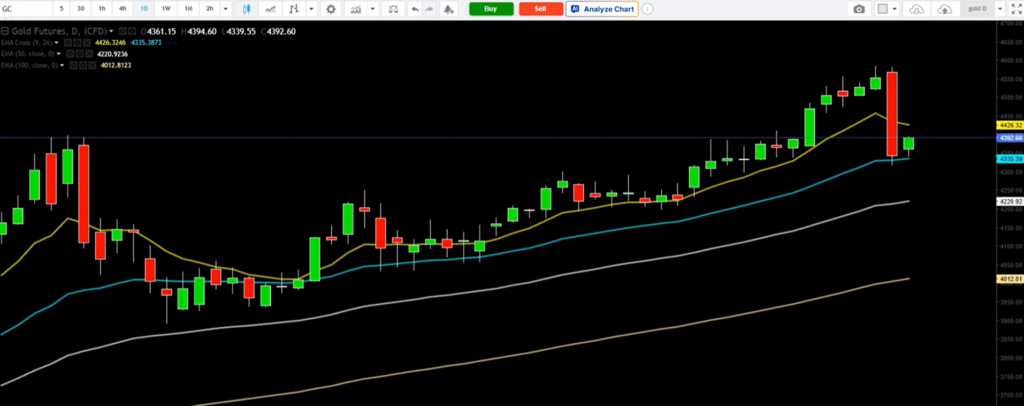
Current Reference Prices (as of Dec 31, 2025):
- Gold futures (February expiry): ₹1,35,262 per 10 grams
- Silver futures (March expiry): ₹2,36,375 per kilogram
Potential Support Zones to Watch: Technical analysts suggest watching for stabilization and behavioral signals rather than predicting exact bottom prices. Key support zones are typically identified through:
- Previous consolidation areas
- Moving average levels
- Volume profile analysis
Strategy: Plan staged entries as prices stabilize near technical support zones rather than attempting to catch exact bottoms.
The Insider Signal Most People Miss
Here’s what matters more than exact prices: Market behavior patterns.
According to market analysts, behavioral shifts in precious metals markets often signal transition points. Harshal Dasani, Business Head at INVasset PMS, explains the key indicators: “A meaningful retracement from recent peaks, stabilization in ETF flows, and sideways price action mark healthier entry zones.”
Translation: Watch for consolidation patterns. These signal better entry opportunities than trying to catch falling knives.
Real-World Scenario: The ₹5 Lakh Portfolio
Conservative Allocation (35% precious metals):
- ₹1,20,000 in Gold ETFs (SIP over 6 months = ₹20,000/month)
- ₹55,000 in Silver ETFs (SIP over 5 months = ₹11,000/month)
Aggressive Allocation (50% precious metals):
- ₹1,75,000 in Gold ETFs (SIP over 6 months = ₹29,000/month)
- ₹75,000 in Silver ETFs (SIP over 5 months = ₹15,000/month)
Why these timeframes?
- 5-6 months captures most consolidation patterns historically
- Spreads your risk across at least one support level test
- Positions you before potential Q2 2026 rally (historically strong for metals)
The Three Risk Factors Nobody Talks About
1. The US Dollar Strengthening If the dollar strengthens significantly, gold prices typically face pressure. Your response: This is why you’re doing SIP, not lump sum. You’ll buy more units at lower prices.
2. The “Choppy Years” Pattern After massive rallies, commodities often trade sideways for extended periods. Your position: You’re building for the long term, not short-term gains.
3. Silver’s Industrial Demand Risk If global manufacturing slows, silver typically experiences more volatility than gold. Your hedge: Consider maintaining a higher allocation to gold versus silver for stability.
The Alternative Nobody Considers
Sovereign Gold Bonds (if you can wait):
- Next tranche expected: February 2026
- Current rate: 2.5% annual interest + price appreciation
- Lock-in: 5 years (with exit option after year 5)
- Tax advantage: Zero capital gains if held to maturity (8 years)
The catch: You miss the current entry price. But if you’re ultra-conservative, this combines SIP discipline with government backing.
What Experts Are Actually Buying
Swapnil Aggarwal (VSRK Capital): “Planning entries when prices stabilize near support zones. Metals remain choppy for years after strong rallies—SIP smooths this volatility.”
Siddharth Maurya (Vibhavangal Anukulakara): “Making piecemeal investments around support levels is a safer approach than attempting to catch the absolute bottom.”
The consensus from experts: Staggered accumulation through systematic investment offers better risk management than attempting to time market bottoms.
Your Three-Step Action Plan
Step 1 (This Week): Set up SIP mandates in two ETFs—one gold, one silver. Start with 60% of your planned allocation.
Step 2 (Monitor Monthly): Watch for technical support levels and consolidation patterns. If prices stabilize with improving market sentiment, consider deploying remaining 40%.
Step 3 (Review Quarterly): Monitor your portfolio performance and rebalance if your precious metals allocation exceeds your target by more than 10%. Consider booking partial profits during significant rallies.
The Bottom Line (In Real Numbers)
Scenario A: You wait for the “perfect” bottom
- Possible gain: Better entry if timed perfectly (low probability)
- Probable risk: Missing recovery while waiting (higher probability)
- Stress level: Extreme
Scenario B: You start systematic SIP today
- Average cost: Benefits from rupee-cost averaging across market cycles
- Downside protection: Automatic buying at lower prices
- Stress level: Minimal
- Historical evidence: Systematic investment has proven effective for long-term wealth creation
The bottom is unknowable. The systematic strategy is time-tested.
Disclaimer: The views expressed are based on market analysis and expert opinions cited. Investors should consult certified financial advisors before making investment decisions. Past performance does not guarantee future results. Precious metals carry market risk and volatility.
Investment Disclaimer (as per SEBI guidelines)
The information provided in this article is for educational and informational purposes only and should not be construed as investment advice, trading recommendation, or solicitation to buy or sell any securities, commodities, derivatives, or financial instruments.
Investments in the stock market and commodity markets (including gold and silver futures) are subject to market risks, including price volatility, liquidity risk, and regulatory risk. Past performance is not indicative of future results.
Readers are advised to conduct their own research and/or consult a SEBI-registered investment adviser, research analyst, or financial professional before making any investment or trading decisions. The author and publisher are not registered as SEBI investment advisers or research analysts, unless explicitly stated otherwise, and shall not be responsible for any financial losses incurred based on the information presented.
Commodity derivatives trading involves high leverage and risk of substantial loss and may not be suitable for all investors. Please carefully consider your financial situation, risk appetite, and investment objectives before participating.
SEBI Registration, if applicable, should be verified on the official SEBI website.