The pharmaceutical industry doesn’t sit still for long. Every few years, a potential mega-deal grabs headlines and reshapes how investors think about the sector. Right now, market chatter is focused on a possible move involving Sun Pharmaceutical Industries and Organon & Co..
Let’s be clear from the start:
No official acquisition has been announced or confirmed by either company.
However, credible reporting and market discussions—covered by outlets like Reuters and The Economic Times—have fueled speculation about a potential strategic deal. That alone has been enough to move investor attention.
So, what could happen if such a deal materializes? And more importantly, how might it impact global pharma stocks?
Let’s break it down with facts, logic, and zero hype.
Why This Potential Deal Is Drawing Attention
Not all pharma rumors gain traction. This one has.
The reason is simple: strategic fit.
- Sun Pharmaceutical Industries leads India’s pharma sector and has built a strong presence in generics and specialty drugs.
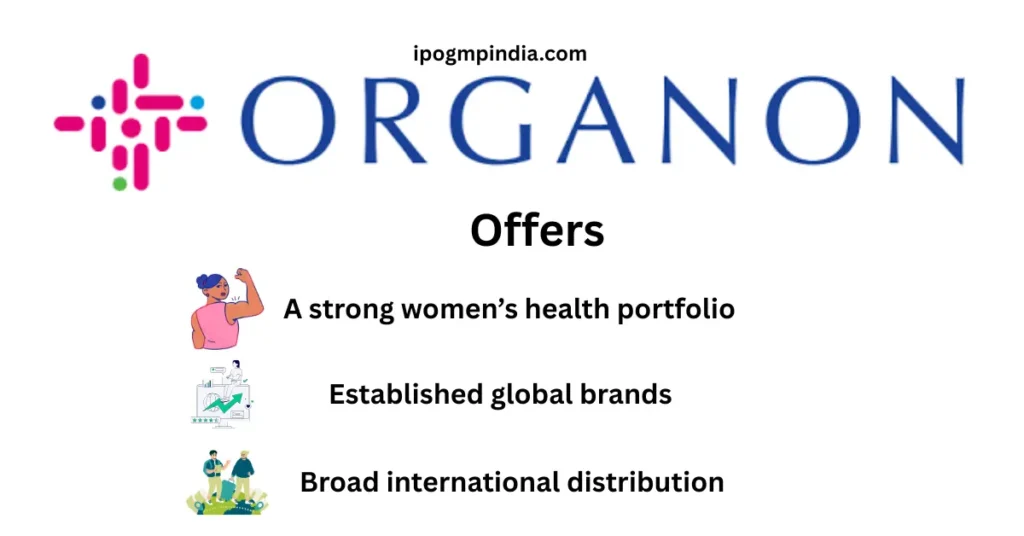
- Organon & Co. focuses on women’s health, biosimilars, and established medicines, operating in over 100 markets globally.
This isn’t just about size. It’s about complementary strengths.
If combined, these businesses could create a more diversified global player.
The Strategic Logic Behind the Buzz
Let’s keep it practical.
Sun Pharma has scale, manufacturing strength, and a growing specialty portfolio. But like many generic-focused companies, it faces pricing pressure—especially in the U.S.
In simple terms:
Sun Pharma brings operational strength. Organon adds portfolio depth.
That’s why analysts see strategic logic, even if no deal exists yet.
How Global Pharma Stocks Could React
1. Expect Immediate Market Volatility
Markets react quickly to potential large deals—even before confirmation.
If a deal is formally announced:
- Trading volumes across pharma stocks may rise
- Short-term volatility could increase
- Investors may reassess sector valuations
This reaction reflects expectations, not outcomes.
As noted in general M&A trends reported by Reuters, large healthcare deals often trigger sector-wide movement due to perceived growth opportunities.
2. Impact on Sun Pharma’s Stock
If Sun Pharma moves forward with a major acquisition, investors will weigh risk vs reward.
Potential positives:
- Entry into new therapy areas
- Stronger global positioning
- Reduced dependence on any single segment
Possible concerns:
- High acquisition cost
- Execution challenges
- Short-term pressure on margins
Markets tend to reward clarity. If management presents a clear integration plan, sentiment usually improves.
3. Impact on Organon’s Valuation
In acquisition scenarios, target companies often see a valuation premium.
If a formal offer emerges:
- Organon’s stock could reflect buyout expectations
- Investors may anticipate improved long-term valuation
However, this depends entirely on deal structure and pricing—neither of which is publicly known.
Broader Ripple Effects Across the Pharma Sector
This story isn’t just about two companies. It could influence the entire industry.
1. A Possible Wave of M&A Activity
One major deal often leads to others.
Competitors may respond by:
- Exploring mergers or partnerships
- Strengthening niche portfolios
- Expanding geographically
This pattern has repeated across pharma cycles, as observed in industry coverage by Bloomberg and Reuters.
2. Increased Pressure on Mid-Sized Pharma Firms
A stronger global player can reshape competition.
Mid-tier companies may face:
- Pricing pressure
- Market share challenges
- Increased competition in key regions
In response, they often shift toward:
- Specialized therapies
- Innovation-driven segments
- Strategic alliances
3. Shifting Global Pharma Dynamics
For years, Western pharma companies have dominated high-value markets.
But companies from emerging markets—especially India—are expanding aggressively.
If such a deal materializes, it could:
- Strengthen India’s global pharma position
- Increase competition in regulated markets
- Drive efficiency and pricing discipline
The U.S. Market: A Critical Piece
No pharma story is complete without discussing the United States.
It remains the largest and most profitable pharmaceutical market globally.
Sun Pharma already operates there but faces ongoing challenges:
- Regulatory scrutiny
- Pricing pressure
- Competitive intensity
Organon brings:
- Established U.S. operations
- A diversified product mix
- Market access advantages
If integrated well, this could improve Sun Pharma’s positioning.
But execution will matter more than ambition.
What Analysts and Reports Suggest
Coverage from trusted outlets like Reuters and The Economic Times reflects cautious optimism, not certainty.
Most analysts agree on three key points:
- The strategic rationale appears sound
- Execution risks remain significant
- Final valuation will determine success
In short, this is a potential opportunity—not a guaranteed win.
Key Risks Investors Should Watch
Even well-planned deals face challenges.
1. Integration Complexity
Combining global operations takes time.
Differences in:
- Systems
- Culture
- Supply chains
can slow progress.
2. Financial Pressure
If funded through debt, the acquisition could affect:
- Balance sheet strength
- Credit metrics
- Future investment capacity
Investors typically monitor leverage closely after large deals.
3. Regulatory Approvals
Global acquisitions require approvals across multiple regions.
Delays or restrictions can:
- Increase costs
- Extend timelines
- Affect expected synergies
Long-Term Outlook for Pharma Stocks
If a deal eventually happens and succeeds, it could signal broader trends.
1. Diversification Will Become a Priority
Pharma companies are moving beyond single-focus portfolios.
Diversification helps reduce risk and stabilize revenue.
2. Specialty Segments Will Gain Importance
Areas like:
- Women’s health
- Biosimilars
- Specialty drugs
are attracting growing investment.
Organon’s portfolio aligns with these trends.
3. Emerging Market Companies Will Gain Influence
Companies from India and other emerging economies are evolving.
- They are no longer just cost-efficient manufacturers.
- They are becoming global strategic players.
A Reality Check Investors Should Not Ignore
Big deals often look great on paper.
But not all deliver results.
History shows:
- Some integrations fail
- Costs exceed expectations
- Synergies take longer than planned
So while headlines generate excitement, outcomes depend on execution.
Or simply put:
Strategy gets attention. Execution builds value.
Final Thoughts
The ongoing buzz around a potential deal between Sun Pharmaceutical Industries and Organon & Co. highlights how quickly market narratives can shift.
As of now, no official acquisition has been confirmed.
However, the discussion itself reveals something important:
- Investors are watching global expansion strategies closely
- The pharma sector remains active and competitive
- Strategic alignment matters as much as scale
If a deal is announced in the future, expect:
- Short-term stock volatility
- Long-term strategic implications
- Increased global competition
Until then, staying informed—and cautious—remains the smartest approach.
What is the Sun Pharma–Organon deal?
How could the Sun Pharma–Organon deal affect pharma stocks?
Sources & Editorial Transparency
This article is based on verified industry coverage and reporting from:
- Reuters (global financial and healthcare reporting)
- The Economic Times (India-focused business journalism)
- Bloomberg (market trends and M&A analysis)
No unverified claims or speculative data have been presented as facts. All forward-looking statements are clearly identified as conditional scenarios.

Written by
Mayank Srivastava
AI Content Writer, Finance Niche Writer & Gaming Tech Specialist
Mayank Srivastava is a Finance Content, AI Tools & Tech Content with over 6+ years of experience in tech, AI, and 2+ Years of experience in financial markets and investment analysis. He research in IPO evaluations, grey market premium tracking,various stock market strategies, derivatives strategies and data-driven investment research.
Mayank holds advanced certifications in financial Market and regularly contributes to leading financial publications. But he is not SEBI registered Finance Professional. He writes only for educational purpose not giving any investment advice. Please Consult SEBI Registered Finance Consultant or Professional before any investment in stock market. He is not responsible any investment loss after reading this website content.